Are Expensive Youth Goalie Gloves Worth It? (Expert Breakdown)
As an Amazon Associate, I earn from qualifying purchases. This post also contains affiliate links, which means I may receive a small commission, at no extra cost to you, if you make a purchase through a link . I only recommend gear I trust and have evaluated thoroughly
Youth Goalie Gloves: What Nobody Tells Parents Before They Buy
If you’ve ever stood in a sporting goods store staring at a wall of Youth goalie gloves — price tags ranging from $12 to $120 — you know exactly how overwhelming this feels.
Which ones actually work? Are the expensive ones really that much better? Or is this just clever marketing targeting parents who want the best for their kids?
I’ve been through this exact process. And after testing dozens of pairs across multiple seasons — watching real kids train, dive, and play in all conditions — here’s the honest answer most review sites won’t give you.
The Real Question Every Parent Is Asking
It’s not really “which brand is the best?”
The real question is : will better youth goalie gloves actually make a difference for my child ?
And the answer depends on two things most guides completely ignore:
- How seriously your child plays
- What “expensive” actually buys you
Let’s break both down properly.
What Cheap Youth Goalie Gloves Actually Cost You
Here’s the uncomfortable truth about budget gloves.
That $12 pair from the discount bin looks fine in the packaging. It might even feel okay for the first training session. But within a few weeks of regular play, most parents start noticing the same pattern:
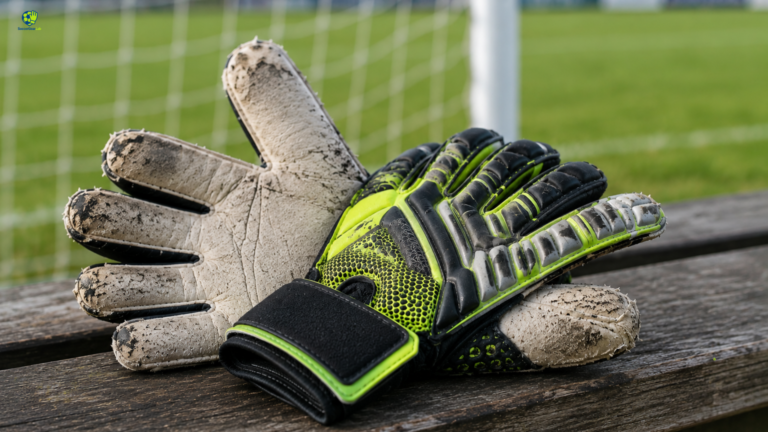
The grip disappears faster than expected. The latex — the foam material on the palm that actually catches the ball — starts breaking down quickly on cheaper gloves. Once it goes, no amount of wetting or care brings it back.
The seams give out. Budget gloves are often stitched with lighter thread and less reinforcement. A goalkeeper who dives regularly — which is literally the job — puts enormous stress on those seams with every session.
The finger protection is minimal or nonexistent. This is the one that matters most for young players. Youth goalie gloves without proper finger support leave growing hands weak against hyperextension . — a painful injury that happens when a ball bends a finger backward beyond its natural range.
And then there is the confidence issue. A goalkeeper who has dropped balls because their gloves couldn’t grip, or who has hurt their fingers because their gloves offered no protection, starts hesitating. They stop attacking crosses. They flinch on powerful shots. They begin playing it safe — and in goalkeeping, playing it safe is actually playing it wrong.
That hesitation? It’s often the gloves.
What You Actually Get When You Spend More
Premium youth goalie gloves — typically in the $40 to $80 range for quality youth models — are built around three meaningful upgrades.
1. Better Latex = Real Grip
Professional and premium youth gloves use latex formulations designed to maintain grip across different conditions. The difference between a budget foam palm and a quality latex palm is not subtle. It’s the difference between a ball sticking to the hand and a ball sliding off it.
In wet conditions especially — and youth soccer is played in all kinds of weather — quality latex maintains contact where budget foam simply doesn’t.
2. Fingersave Systems That Actually Work
Properly engineered finger protection systems use rigid spines or rods built into the back of each finger. These allow the finger to flex naturally forward while preventing dangerous backward bending.
Cheap versions of “fingersave” gloves often include thin plastic inserts that offer minimal real protection and add bulk without genuine benefit. The difference becomes obvious the first time a young goalkeeper takes a powerful shot straight to their extended fingers.
For players aged 8 to 14 especially — whose hand bones and ligaments are still developing — this protection is not a luxury. It’s worth taking seriously.
3. Construction That Lasts a Season
A well-made pair of youth goalie gloves should last a full season of regular training and matches with normal wear. The palm will show use — that’s expected — but the stitching, wrist strap, and backhand should hold up.
Budget gloves often need replacing mid-season. When you do the math, a $60 pair that lasts a full season frequently costs less than two $25 pairs over the same period.
Does Brand Actually Matter?
Honestly — yes and no.
The major brands — Adidas, Reusch, Storelli, Precision — invest in genuine research and development for their youth lines. Their latex formulations, finger protection systems, and construction quality are typically better than unbranded alternatives at similar price points.
But brand loyalty can also lead parents to overspend. A $90 entry-level glove from a premium brand often performs worse than a $55 mid-range glove from a specialist goalkeeper brand that most people haven’t heard of.
The brand matters less than the specific model’s features. Always look at:
- Latex grade — what type of foam is on the palm?
- Cut style — flat palm, negative cut, or roll finger?
- Finger protection — are the spines rigid or flexible?
- Stitching quality — double-stitched seams last significantly longer
Sizing: The Mistake That Ruins Everything
You can buy the best youth goalie gloves on the market and completely ruin the investment with the wrong size.
Oversized gloves are the most common mistake parents make. They look fine hanging in the store. They feel fine when a child first tries them on. But on the pitch, gloves that are even half a size too large cause:
- Misaligned finger protection — the spines sit in the wrong position
- Reduced grip surface — extra material folds and bunches
- Dropped balls — the hand simply cannot feel or control the ball properly
- Increased injury risk — loose protection is worse than no protection
How to measure correctly :
Measure around your child’s palm just below the knuckles, not including the thumb. Round up to the nearest half inch. Add one inch to get the glove size.
So a palm measuring 5.5 inches = size 6.5 — round to size 7.
When the glove fits properly, there should be roughly a quarter inch of space at the fingertips. Enough to flex, not enough to flop.
When Cheap Gloves Make Sense
This guide would not be complete without being honest about this.
If your child has just started playing goalkeeper — first season, still figuring out if they enjoy the position — spending $60 on gloves is not necessary. A $20 to $30 pair will get them through early training sessions without issue.
The investment in quality youth goalie gloves makes sense when:
- Your child has committed to the goalkeeper position
- They train two or more times per week
- They play in competitive matches, not just casual kickarounds
- They have experienced finger pain or dropped balls with cheaper gloves
- You are tired of replacing budget pairs every few months
At that point, the upgrade is not a luxury. It is a practical decision that saves money and protects your child’s hands over the course of a season.
How to Make Any Pair Last Longer
Even the best youth goalie gloves need proper care. Here is what actually makes a difference :
Wash them after every session. Sweat, dirt, and artificial turf rubber all break down latex faster than normal use. Lukewarm water and a small amount of mild soap, worked gently into the palm, then rinsed clean.
Keep them slightly damp during play. Completely dry latex grips significantly worse than slightly moist latex. Many goalkeepers lick or wet their gloves before facing shots — this is not a quirk, it genuinely works.
Air dry only. Never put goalkeeper gloves in a dryer, leave them in a hot car, or dry them in direct sunlight. Heat breaks down latex compounds rapidly and permanently.
Wash before first use. New gloves often have a factory coating on the latex that actually reduces grip. A quick wash before the first session removes this and immediately improves performance.
Final Thoughts :
So — are expensive youth goalie gloves worth it?
For a child who plays regularly and takes the position seriously: yes, without question.
The grip is better, the protection is real, the construction holds up, and — perhaps most importantly — the confidence that comes from gloves that actually perform is something no cheap pair can replicate.
For a child just starting out or playing purely for fun: not yet. Start with something mid-range and invest properly once the commitment is clear.
The goal is simple. Give your young goalkeeper the best possible chance to develop confidently, stay injury-free, and genuinely love the position. The right pair of gloves is a meaningful part of that.
Related Guides :
Best Youth Goalie Gloves with Finger Protection
Discover top gloves that help prevent finger injuries while building confidence in goal.
Best Budget Youth Goalie Gloves Under $30
Find affordable gloves that still offer solid protection and durability for beginners
Youth Goalie Gloves Size Chart
Find the perfect fit fast and avoid costly sizing mistakes
Quick Answers : FAQ
At what age should a child start using fingersave gloves? Most coaches recommend introducing finger protection from around age 8 to 9, when children begin facing more powerful shots in organized play.
How often should youth goalie gloves be replaced? With proper care and regular use, a quality pair should last one full season — approximately 6 to 9 months of training and matches.
Can youth goalie gloves be used in training and matches? Yes, but many serious young goalkeepers keep one pair for matches and a more worn pair for training to extend the life of their best gloves.
What cut is best for young goalkeepers? Flat palm (positive cut) is the most forgiving for beginners and younger players. As skill develops, a half-negative or negative cut provides better feel and control.
Is it worth buying goalkeeper gloves online without trying them on? Yes — if you measure correctly first. Use the sizing method above, check the brand’s specific size chart, and buy from a retailer with a straightforward return policy.
Found this guide helpful? Share it with another goalkeeper parent who’s going through the same glove confusion. And if you have questions about specific models or brands, drop them in the comments — I read every one.