How to Clean youth goalie Gloves Properly (The Right way )
As an Amazon Associate, I earn from qualifying purchases. This post may contain affiliate links, which means I may earn a small commission at no extra cost to you if you make a purchase through a link
Introduction :
Most youth goalkeepers destroy their gloves in weeks — not because of bad quality, but because of bad care.
Latex is a high-performance material. It’s soft. Porous. Sensitive.
This guide will show you exactly how to clean youth goalie gloves the right way so they last longer and keep their grip.
The Real Problem: Why Goalkeeper Gloves Lose Grip
Latex works by creating friction.
But friction only works when the surface is clean.
Here’s what kills glove grip:
- Dirt particles clogging latex pores
- Sweat salts drying the surface
- Heat hardening the foam
- Sunlight cracking the material
- Soap stripping protective oils
When gloves feel slippery, 80% of the time they’re just dirty — not worn out.
Why Most Players Ruin Their Gloves
Let’s be honest.
After training, most kids:
- Throw gloves into their bag
- Leave mud to dry overnight
- Let them sit in a hot car
- Wash them with regular soap
- Twist them to squeeze water out
- Or spit on them before matches
Every one of those habits shortens glove life.
Latex is not plastic. It’s natural foam. It breaks down fast if abused.
The Correct Way to Clean youth goalie gloves (Step-by-Step)
This is the exact method serious youth and pro goalkeepers use.
Step 1: Rinse Immediately After Use
Timing matters.
Right after training or a match:
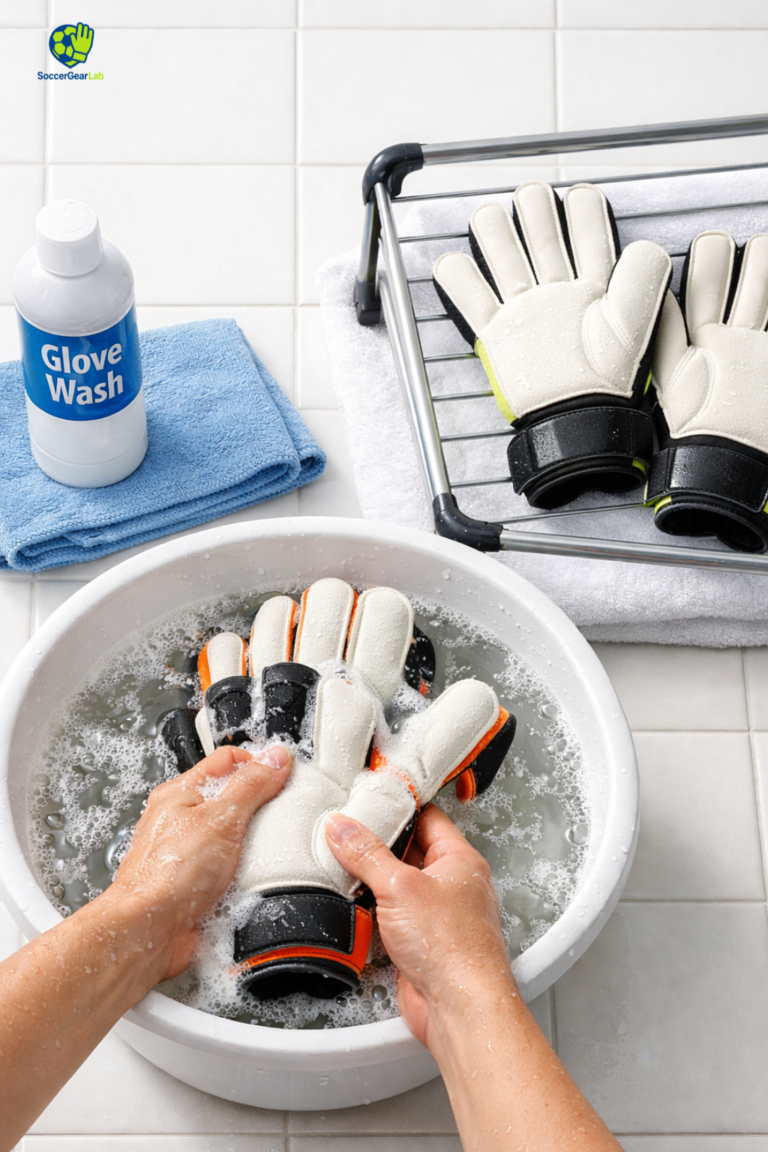
- Rinse gloves under lukewarm water
- Gently rub palms together
- Remove visible dirt and turf particles
Why lukewarm?
Warm water opens latex pores slightly, helping dirt release.
Never use:
- Hot water (dries latex)
- Ice cold water (hardens foam)
Step 2: Deep Rinse the Palms
Hold gloves under running water and:
- Use your thumbs to gently massage the latex
- Focus on high-wear areas (fingertips, palm center)
No brushes.
No scrubbing tools.
No harsh friction.
Latex tears easily.
Step 3: Gently Press Out Water (Never Twist)
This is where many gloves get damaged.
After rinsing:
- Press gloves together
- Let water drip out naturally
Never wring or twist.
Twisting stretches stitching and weakens seams.
Step 4: Air Dry Properly
Drying is as important as washing.
Place gloves:
- Palm up
- On a towel
- At room temperature
- In a shaded area
Never dry:
- In direct sunlight
- On a radiator
- In a dryer
- With a hairdryer
- Inside a hot car
Heat kills latex elasticity.
Step 5: Store the Right Way
Once dry:
- Store in a breathable glove bag
- Avoid sealed plastic containers
- Keep away from extreme heat
Latex needs airflow.
How Often Should You Clean Goalkeeper Gloves?
After every session.
Even light training creates sweat buildup.
If you train 3 times per week → clean 3 times per week.
Consistency preserves grip.
Should You Use Glove Wash Products?
A special goalkeeper glove wash can help :
- Remove deeper bacteria buildup
- Restore softness
- Reduce odor
They are useful but not mandatory.
Warm water cleaning done consistently is enough for most youth players.
Pro Tips to Extend Latex Life
These small habits make a big difference:
- Slightly dampen gloves before matches
- Use separate match and training gloves
- Avoid dragging palms when standing up
- Learn correct diving technique
- Don’t pick at peeling latex
- Never spit on gloves (bacteria breaks latex down)
Most glove damage comes from bad technique, not bad manufacturing.
How Long Should Soccer Gloves Last?
With proper care:
- Beginner gloves: 2–4 months
- Mid-range gloves: 3–6 months
- Match-only gloves: Entire season
Without cleaning?
Sometimes just 3–4 weeks.
Cleaning literally doubles lifespan.
Signs Your Gloves Are Truly Worn Out
Cleaning won’t fix everything.
Replace gloves when:
- Large chunks of latex are missing
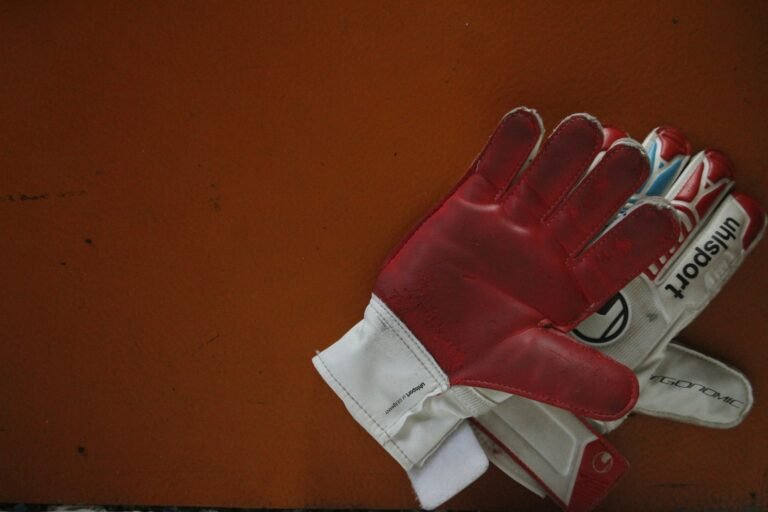
- Surface becomes completely smooth
- Grip doesn’t improve when damp
- Padding feels flat
- Stitching separates
Minor peeling is normal. Total smoothness is not.
Quick Answer :
How to clean youth goalie gloves properly:
- Rinse with lukewarm water immediately after use
- Gently massage latex to remove dirt
- Press water out without twisting
- Air dry at room temperature (no heat)
- Store in a breathable bag
Why Cleaning Builds Confidence
Young goalkeepers often blame themselves for slipping balls.
Sometimes it’s not confidence.
It’s dirty gloves.
When gloves are clean:
- Grip improves
- Confidence increases
- Mistakes decrease
Equipment affects performance more than most parents realize.
Goalie gloves are not disposable gear.
They are performance tools.
Latex is sensitive.
Latex needs care.
Latex rewards consistency.
If you clean your gloves after every session and avoid heat damage, you won’t need new pairs nearly as often.
And that alone can save parents hundreds over a season.
Frequently Asked Questions
Can I wash youth goalie gloves in a washing machine?
No. Machines damage latex and weaken stitching.
Can I use dish soap or shampoo?
Avoid regular soap. It strips natural latex oils and reduces grip.
Should gloves be wet before a game?
Yes — slightly damp palms improve friction and grip.
Why do my gloves smell bad?
Bacteria from sweat buildup. Clean after every use and allow full drying.
Does cleaning restore grip?
Yes — if dirt buildup is the problem. It won’t fix worn-out latex.