Youth Goalie Gloves Size Chart: How to Choose the Right Fit (2026)
By Carlos Alvarez | Updated May 2026
As an Amazon Associate I earn from qualifying purchases. This post contains affiliate links which means I may receive a small commission at no extra cost to you if you make a purchase through a link. I only recommend gear I have personally tested and thoroughly evaluated.
Youth Goalie Gloves Size Chart: Why Getting This Right Changes Everything
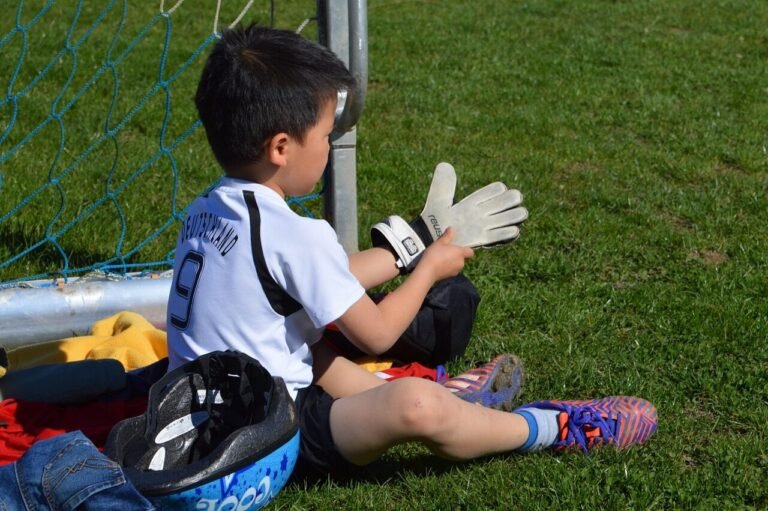
I have watched more young goalkeepers struggle with oversized gloves than almost any other equipment problem in youth soccer.
The child gets both hands behind the ball. Good positioning. Decent technique. The ball hits the palm — and squirts through into the net. The goalkeeper looks down at their hands with that familiar confused expression. The parent on the sideline wonders what just happened.
Most of the time the answer is not technique. It is not effort. It is not focus.
It is the gloves. Specifically — gloves that do not fit correctly.
Getting the right size for youth goalie gloves is the single most overlooked factor in youth goalkeeper equipment — and the one that has the most immediate and measurable impact on performance, confidence, and development. A well fitting glove makes catching feel natural. A poorly fitting one makes even simple saves feel uncertain.
This guide gives you everything you need to measure correctly, understand what the numbers actually mean, and choose a size that genuinely serves your young goalkeeper — from their first pair through to their most competitive season.
Why Youth Goalie Gloves Size Matters More Than Most Parents Realize
Goalkeeper gloves are not like regular winter gloves or sports gloves. They are performance equipment — and the fit directly affects how well they perform their primary function.
Here is what happens with the wrong size in practice:
Too large — the most common mistake:
When youth goalie gloves are too large the hand moves around inside the glove during dynamic saves. The finger protection spines — those rigid inserts that prevent hyperextension injuries — misalign completely. They sit at the wrong position on the finger and protect the wrong place. The palm material folds and bunches reducing the effective grip surface. And the goalkeeper cannot properly sense the ball through the glove because there is simply too much material between their hand and the ball.
The result is dropped catches, uncertain punches, and a young goalkeeper who gradually loses confidence in their ability to hold onto the ball — not because their technique is wrong but because their equipment is working against them.
Too small — less common but equally problematic:
Gloves that are too small restrict natural hand movement. The fingers cannot flex fully during catches. Pressure points develop across the knuckles and fingertips. The wrist closure fastens at the wrong point on the forearm. And a goalkeeper who is physically uncomfortable in their gloves loses focus on the game itself.
The right size:
A correctly sized pair of youth goalie gloves disappears on the hand. The goalkeeper stops thinking about the gloves and starts thinking about the game. Catches feel natural. Dives feel secure. The equipment does its job silently and the player does theirs confidently.
That is what proper sizing delivers — and it costs nothing beyond two minutes with a measuring tape.
How to Measure Your Child’s Hand Correctly
This is where most parents either skip entirely or do partially — and where the most common sizing mistakes originate.
Measuring takes two minutes and the accuracy difference between a measured purchase and an age based guess is significant. Here is exactly how to do it.
What you need:
- A flexible fabric measuring tape
- Or a piece of string and a ruler
- A pen and paper to note the measurement
The Primary Measurement — Palm Circumference
This is the measurement that goalkeeper glove sizing is based on and the one you should always take first.
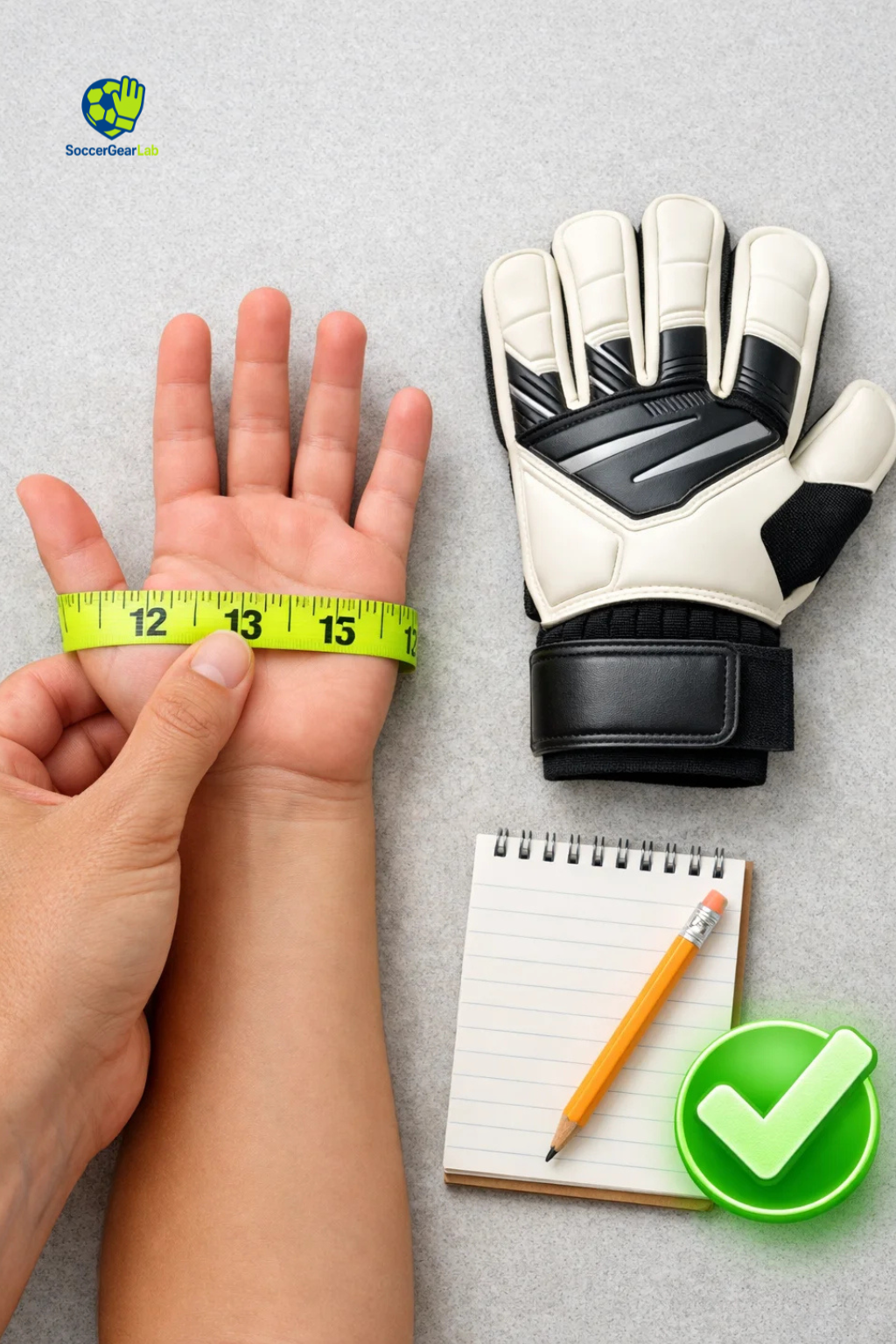
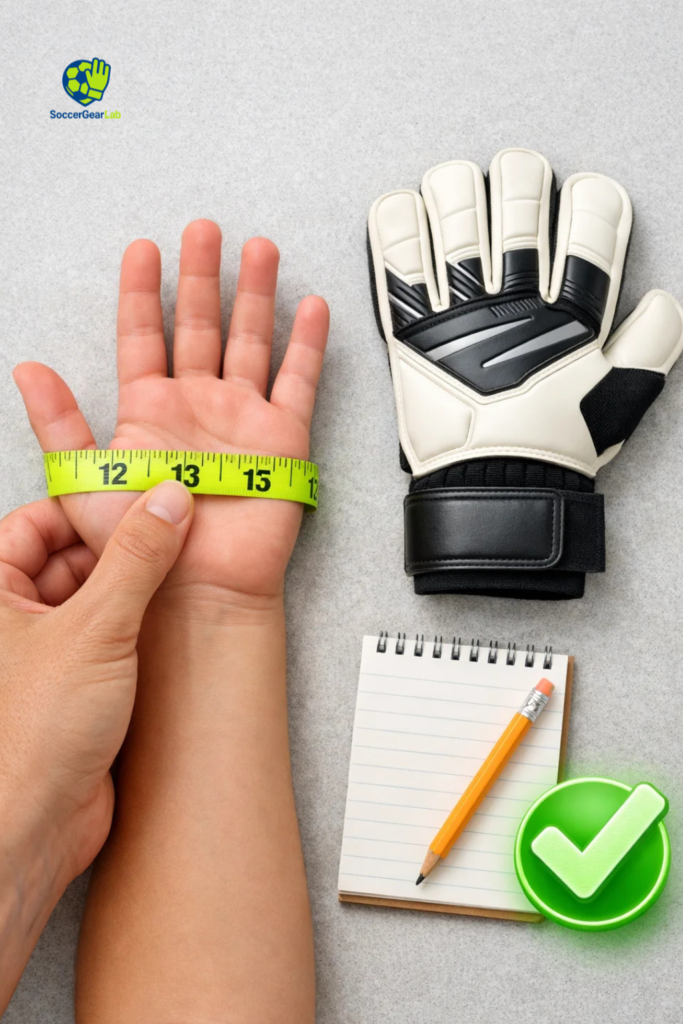
Ask your child to hold their dominant hand open naturally — relaxed, not stretched or tightly closed. Wrap the measuring tape around the widest part of the palm just below the knuckles. Do not include the thumb in the measurement.
Note the number in inches. This is your base measurement.
The Formula:
Palm measurement in inches
+ Round up to nearest half inch
+ Add 1 inch
= Correct glove size
Example: A palm measuring 5.5 inches rounds up to 5.5 inches. Add 1 inch. Correct glove size is 6.5 — round to size 7.
The Secondary Measurement — Hand Length
Measure from the base of the palm — the crease where the palm meets the wrist — to the tip of the middle finger.
This measurement is particularly useful when your child has unusually long or short fingers relative to their palm width. If the two measurements point to different sizes the hand length measurement helps determine whether to go with the smaller or larger option.
Important — Measure Both Hands
Most people have one hand slightly larger than the other. Always measure both hands and use the larger measurement when sizing goalkeeper gloves.
Youth Goalie Gloves Size Chart
Use this chart as your starting point. Cross reference with the specific brand size chart before purchasing — sizing varies between brands and this guide covers those variations in detail below.
| Glove Size | Palm Circumference | Hand Length | Typical Age | Typical Level |
|---|---|---|---|---|
| 3 | 4″ – 4.5″ | 5″ – 5.5″ | 4 – 6 years | First introduction |
| 4 | 4.5″ – 5″ | 5.5″ – 6″ | 5 – 7 years | Beginner recreational |
| 5 | 5″ – 5.5″ | 6″ – 6.5″ | 7 – 9 years | Recreational to competitive |
| 6 | 5.5″ – 6″ | 6.5″ – 7″ | 9 – 11 years | Competitive youth |
| 7 | 6″ – 6.5″ | 7″ – 7.5″ | 11 – 13 years | Competitive to academy |
| 8 | 6.5″ – 7″ | 7.5″ – 8″ | 13 – 15 years | Academy to junior adult |
Critical reminders before using this chart:
Age ranges are approximate guides only — not sizing rules. Two children aged 10 can easily need sizes 5 and 7 depending on hand size. Always use the measurement not the age.
With a correct fit there should be approximately a quarter inch of space at the fingertips — enough flex room to catch naturally without the fingers jamming against the end of the glove.
When genuinely between two sizes always go smaller. A snug glove performs better than a loose one in every measurable way for a goalkeeper.
Brand Specific Sizing Notes — This Is What Most Guides Miss
Every brand sizes their gloves slightly differently. Buying Reusch in the same size as Adidas without checking this first is one of the most common and most frustrating sizing errors goalkeeper parents make.
Here are the specific sizing notes for every brand featured across this site:
Reusch: Reusch gloves run slightly small compared to the general size chart. Size up half a size from your measurement when buying Reusch. A palm measuring 5.5 inches that would normally be a size 6.5 — rounded to 7 — should be purchased as a 7 in Reusch to account for their tighter construction.
Adidas: Adidas sizing is accurate and consistent across their youth range. Follow the general chart directly. No adjustment needed.
Renegade GK: Renegade GK runs true to size. Follow the general chart directly.
PUMA: PUMA sizing is accurate and consistent. Follow the general chart directly. Check individual model listings for cut specific notes as the Roll Cut and Negative Cut models fit differently from standard palm alternatives.
Storelli: Storelli sizing runs true to size. Follow the general chart directly.
Uhlsport: Uhlsport sizing runs true to size in most models. The Hyper Negative cut models fit slightly tighter — consider sizing up half a size if your child is between sizes when purchasing Hyper Negative cut gloves.
T1TAN: T1TAN sizing is accurate and consistent across their junior range. Follow the general chart directly.
Glove Cut — The Factor That Changes Everything About Fit
Two gloves in the same size can feel completely different to wear — and the reason is almost always the cut. Understanding cut styles before choosing a size prevents the frustrating experience of receiving a correctly sized glove that still does not feel right.
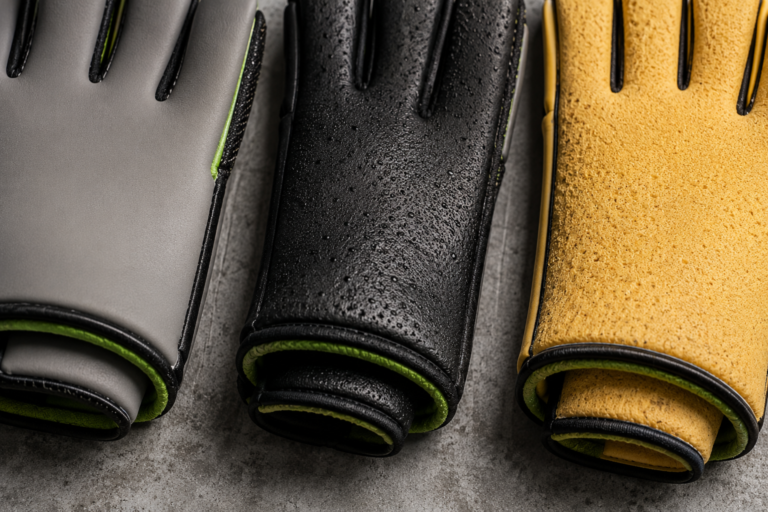
Flat Palm Cut — Best for Beginners and Younger Players
The flat palm cut stitches the palm and backhand together at the outside of the glove. The result is a slightly roomier more forgiving fit that accommodates a wider range of hand shapes and allows more natural movement for players still developing their catching mechanics.
Flat palm gloves are consistently the right choice for goalkeepers aged 5 to 11 and any player in their first or second season of organized goalkeeping regardless of age. The extra palm surface area is forgiving of imperfect hand positioning during catches — important for players still building consistent technique.
Roll Finger Cut — More Grip Surface Contact
The roll finger cut wraps the latex completely around each finger rather than stitching it flat. This maximizes the latex surface area in contact with the ball — producing more grip on every catch. The fit feels more snug around the fingers than a flat palm.
Roll finger suits players who have developed some catching consistency and want to maximize latex contact with the ball. Typically appropriate from age 9 to 10 with at least one season of regular training behind them.
Negative Cut — Closest Fit for Technical Players
The negative cut places all stitching on the inside of the glove creating a snug second skin fit that wraps close to the hand. This provides the most direct ball feel and the best catching feedback — the goalkeeper can genuinely sense the ball through the palm rather than through a layer of material.
Negative cut suits technically developed players who have established consistent catching mechanics and want the maximum feel and control that closer construction provides. Generally appropriate from age 10 to 11 with multiple seasons of regular training. Not suitable for beginners or younger players.
Why Cut Affects Sizing:
Because different cuts produce different levels of internal space a flat palm glove in size 6 will feel noticeably roomier than a negative cut glove in size 6. When purchasing a tighter cut for the first time — particularly negative cut — consider sizing up half a size from your normal measurement.
The Question Every Parent Asks — Should I Buy Bigger So They Last Longer
This is the single most common sizing question I hear from goalkeeper parents. And the answer is consistently the same.
No. Do not buy bigger for growing room.
Here is the honest reason :
The performance penalty from oversized gloves is immediate and significant. Misaligned finger protection. Reduced grip surface. Inability to sense the ball properly. Lost catches. Eroded confidence. These consequences show up in the very first training session — not gradually over time.
The financial logic of buying bigger seems sound. A child growing rapidly through sizes means frequent replacement. Buying ahead seems economical. In practice it means spending the current season with gloves that actively make the goalkeeper’s development harder.
A better approach:
- Buy for the current measurement — not the anticipated future measurement
- Allow a quarter inch of fingertip space — not a full finger of excess
- Accept that youth goalkeeper gloves need replacing as hands grow
- Invest in proper care to maximize lifespan at the current size
If your child is genuinely at the top of a size range — palm measurement falling close to the upper limit — going with the next size is reasonable. Going up a full size for growing room is not.
How Goalie Gloves Should Feel When the Size Is Right
Parents who are unfamiliar with goalkeeper gloves sometimes mistake a properly fitting glove for one that is too small. Here is exactly what correct fit feels like:
The hand closes naturally. Your child should be able to make a fist and open their hand fully without the glove restricting either movement.
The fingertips sit close to the end. There should be approximately a quarter inch of space — you can see the fingertips sitting near the end of the glove without pressing against it. Not jammed in. Not floating with obvious space.
The palm feels secure. The latex palm wraps the hand without excess material bunching or folding. The hand feels the ball through the palm on contact rather than through a layer of loose material.
The wrist closure sits in the right place. The strap fastens at the wrist — not across the forearm because the glove is too small or halfway up the hand because it is too large.
The finger protection aligns correctly. If the gloves have finger spines press gently on the back of each finger. The spines should sit at the correct position on each finger — not shifted toward the fingertip or the knuckle because of misalignment.
If all five of these are correct the size is right.
Training Gloves vs Match Gloves — Do Youth Goalkeepers Need Both
This question becomes relevant once a young goalkeeper commits to training twice weekly or more.
For a beginner or recreational player — one pair is enough. A quality mid range glove handles both training and matches without issue at the early stages of development.
For a committed competitive player training multiple times weekly — two pairs become the practical and economical choice:
Match gloves — your best pair. Reserved for competitive matches. Premium latex maintained at peak performance for the moments that matter most.
Training gloves — a more durable pair. Used for every training session. Handles turf abrasion, ground contact, and high repetition use without destroying the premium latex you need performing on match day.
This rotation approach is used at every level of professional goalkeeper development — not because it is complicated but because it makes genuine practical sense. Premium latex used in every training session deteriorates in weeks. Premium latex reserved for matches and maintained properly lasts a full season.
Check our dedicated guide to the best youth goalie gloves for specific model recommendations at both training and match day level across every age group and budget.
Signs Your Child Has Outgrown Their Gloves
Youth goalkeepers grow quickly. Gloves that fit correctly at the start of a season can become too small before the season ends. Here is what to look for:
Fingertips pressing firmly against the end of the glove. The quarter inch of space that indicates correct fit has disappeared. The fingers are now jammed against the end on every catch.
Difficulty getting the gloves on and off. A glove that takes significant effort to pull on has become too small regardless of what the size label says.
The wrist strap fastening uncomfortably. If the strap now fastens tighter than before or causes discomfort at the wrist the hand has grown beyond the glove.
Complaints of finger discomfort during or after play. Growing hands in too small gloves develop pressure points that cause genuine discomfort — particularly at the knuckles and fingertips.
Visible stress or splitting at the finger seams. Seams under pressure from fingers that have grown beyond the glove’s intended size begin splitting at stress points.
Any one of these signs means it is time to measure again and purchase the next size.
Quick Reference — Youth Goalie Gloves Sizing Checklist
Before every glove purchase run through this checklist:
✅ Measured palm circumference on dominant hand
✅ Measured both hands — used larger measurement
✅ Applied the formula — measurement + round up + 1 inch
✅ Checked brand specific size chart — not just general chart
✅ Considered cut style — flat palm vs roll finger vs negative
✅ Confirmed fingertip space — quarter inch not a full finger
✅ Checked finger protection alignment — spines in correct position
✅ Verified wrist strap fastens at correct position
If every box is checked the size is right.
The Bottom Line
Getting the right size for youth goalie gloves is not complicated — but it does require two minutes with a measuring tape and the willingness to buy for the current fit rather than the anticipated future one.
Measure the palm. Apply the formula. Check the brand specific chart. Consider the cut. Confirm the fit feels snug but not restrictive.
That process takes less time than it took to read this guide. And it makes the difference between a young goalkeeper who catches confidently and one who is quietly fighting their equipment on every single ball.
The right size glove does not make a great goalkeeper. But the wrong size makes the journey to becoming one significantly harder than it needs to be.
FAQ: Youth Goalie Gloves Size Chart
What size youth goalie gloves does a 7 year old need? Most 7 year olds fall in the size 4 to 5 range — but hand measurement is far more reliable than age alone. Measure around the palm below the knuckles not including the thumb. Add one inch to get the correct glove size. Two 7 year olds can easily need different sizes depending on hand development.
Should youth goalie gloves be tight or loose? Neither. They should feel snug and secure — close enough that the hand does not move around inside the glove but not so tight that movement is restricted. A quarter inch of space at the fingertips is the correct target. Loose gloves hurt performance. Tight gloves hurt comfort and movement.
Do different brands use different sizing for youth goalie gloves? Yes — and this is one of the most common causes of wrong size purchases. Reusch runs slightly small — size up half a size. Adidas Renegade GK PUMA Storelli and T1TAN all run true to size. Always check the specific brand chart before purchasing rather than assuming sizes translate across brands.
Is it okay to buy youth goalie gloves one size bigger for growing room? A very slight amount of extra room — a quarter inch at the fingertips — is acceptable. Buying a full size larger for growing room creates significant performance problems immediately. Misaligned finger protection reduced grip surface and inability to sense the ball properly make oversized gloves counterproductive for developing young goalkeepers.
What glove cut is best for a beginner youth goalkeeper? Flat palm cut without exception for beginners and younger players. The flat palm provides the most forgiving fit and the most surface area for developing catching mechanics. Negative cut and roll finger cuts suit more technically developed players and should be introduced only after consistent catching technique has been established.
How do I know when my child has outgrown their goalkeeper gloves? Fingertips pressing firmly against the end of the glove rather than sitting close with a small gap. Difficulty getting the gloves on and off. Wrist strap fastening uncomfortably tight. Complaints of finger discomfort during play. Any of these signals means it is time to measure again and move to the next size.
Can I use the same glove size chart for all goalkeeper glove brands? Use it as a starting point only. The general chart gives you a base measurement to work from — but always cross reference with the specific brand chart before purchasing. Cut style also affects fit significantly — a flat palm glove and a negative cut glove in the same size feel noticeably different on the hand.
Related Guides
Youth Goalie Gloves: 5 Best Wash Products for Better Grip
Youth Goalie Gloves for 8 to 10 Year Olds: 7 Expert Picks
Premium Youth Goalie Gloves: 7 Best Picks on Amazon
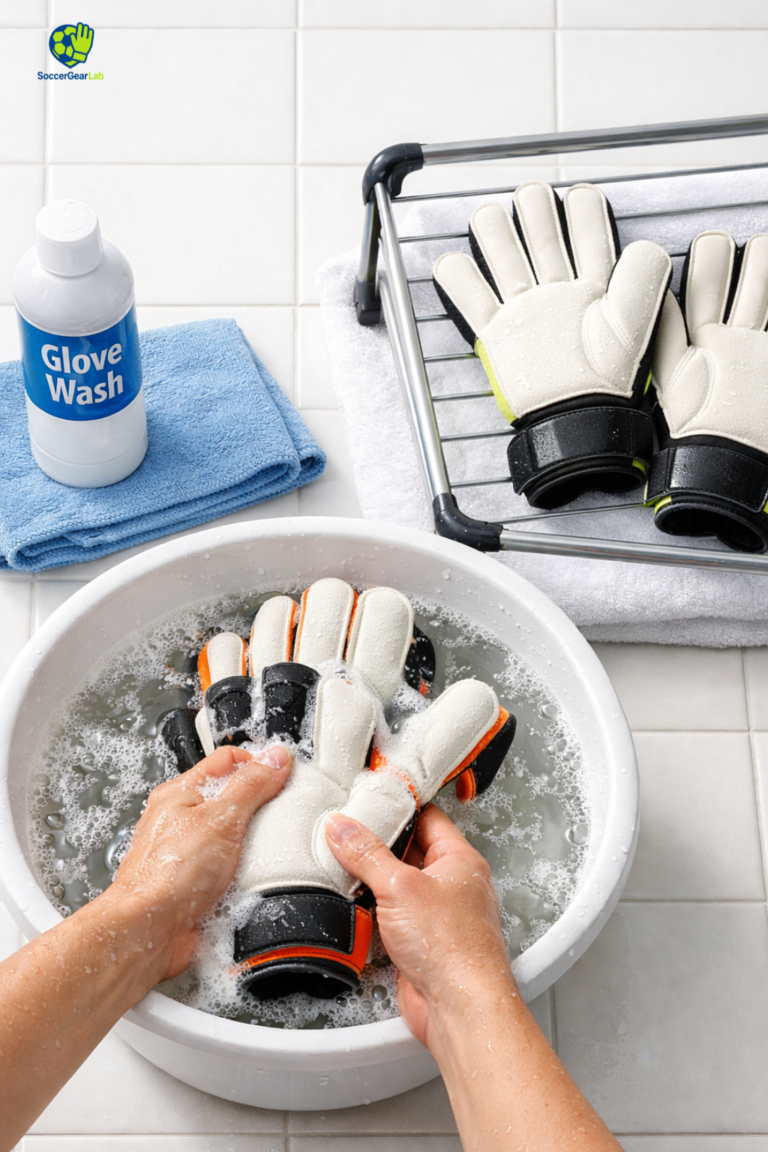
How to Wash and Maintain Youth Goalie Gloves
Have a sizing question about a specific brand or model not covered here? Drop it in the comments — every question gets a real answer.